Can This Building Become Apartments? What We Check Before You Buy
Not every building is a good candidate for apartment conversion. Before you buy, we look at the floor plate, structure, building systems, zoning, and code requirements that determine whether an adaptive reuse project actually pencils.
Three Benefits of Mixed-Use Buildings
Mixed-use development can support smarter zoning, strengthen local economies, improve quality of life, and create more resilient neighborhoods. Here are three ways thoughtful mixed-use development benefits communities.
Affordable Housing, Public Housing, Supportive Housing: What's the Difference?
Affordable housing, public housing, workforce housing, low-income housing, and supportive housing serve different needs and rely on different funding models. Learn what each term means and how these housing types differ.
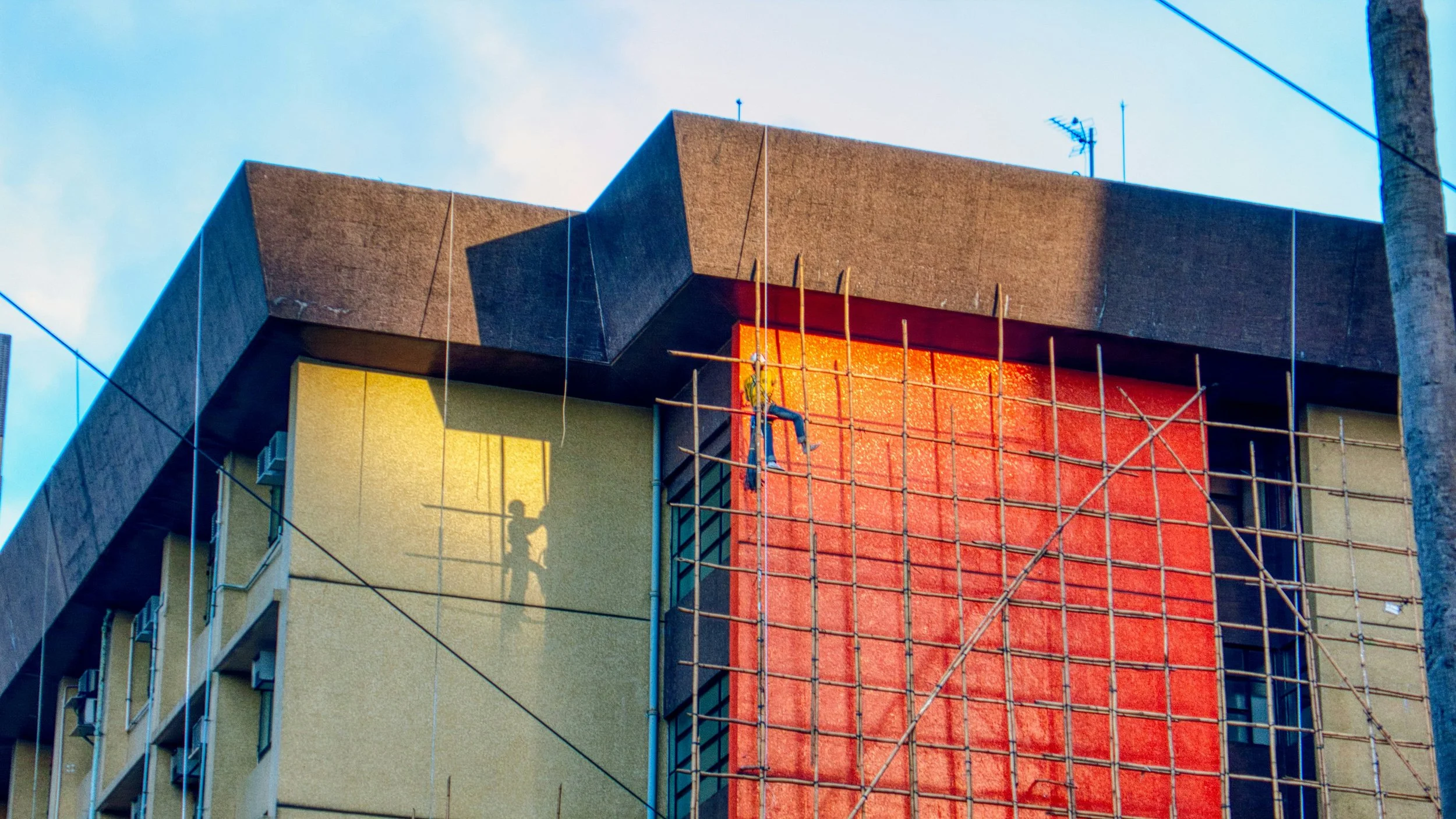
Common Challenges in Adaptive Reuse Projects
Existing buildings come with existing problems, and some of the most expensive ones aren't obvious at first. Structural constraints, outdated systems, code requirements, and unknown conditions can all change the direction of an adaptive reuse project.
The Petrella: How Collaboration with the City Shaped a More Distinctive Luxury Condominium
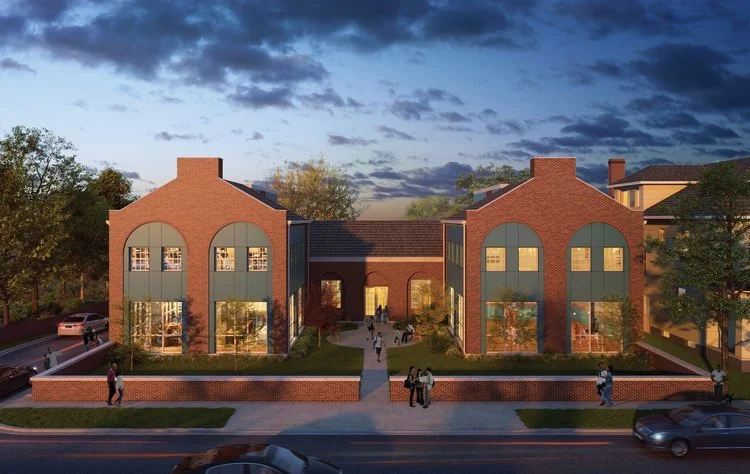
The Petrella is a five-story luxury condominium planned for Grandview Heights. See how collaboration with the city helped shape the building’s architecture and turn zoning constraints into design opportunities.
Three Benefits of Adaptive Reuse
Sometimes the best opportunity on a site is the building that's already there. Adaptive reuse can preserve community character, make use of existing infrastructure, and create new value from buildings that might otherwise be overlooked.
What Happens During the Preconstruction Phase?
Preconstruction is where a project’s biggest questions start getting answered. From site conditions and zoning to budgets, schedules, and project goals, early planning helps identify challenges before construction begins.
Value Engineering vs. Cost Cutting: What's the Difference?
Value engineering and cost cutting both address project costs, but they are not the same thing. Learn how thoughtful value engineering can protect design, performance, and long-term value while keeping a project on budget.
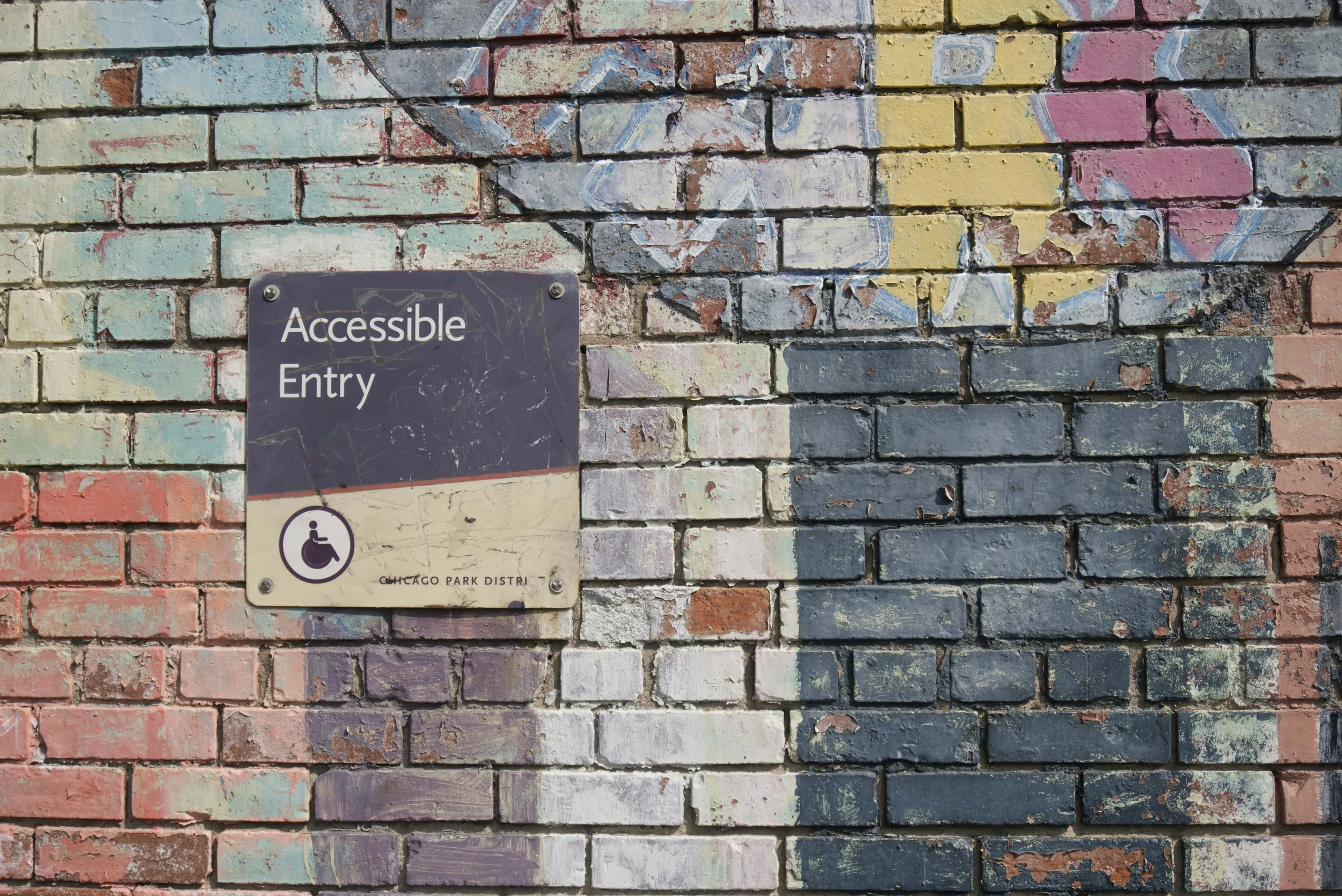
Designing for Disabilities Means Designing for People
Meeting accessibility code is only the starting point. Thoughtful design considers how people actually move through and use a space, often revealing simple ways to make buildings more accessible and easier to navigate.
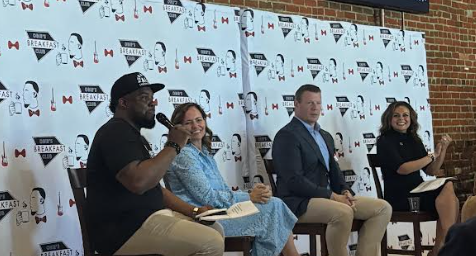
Team Building: Finding New Ways to Win Development
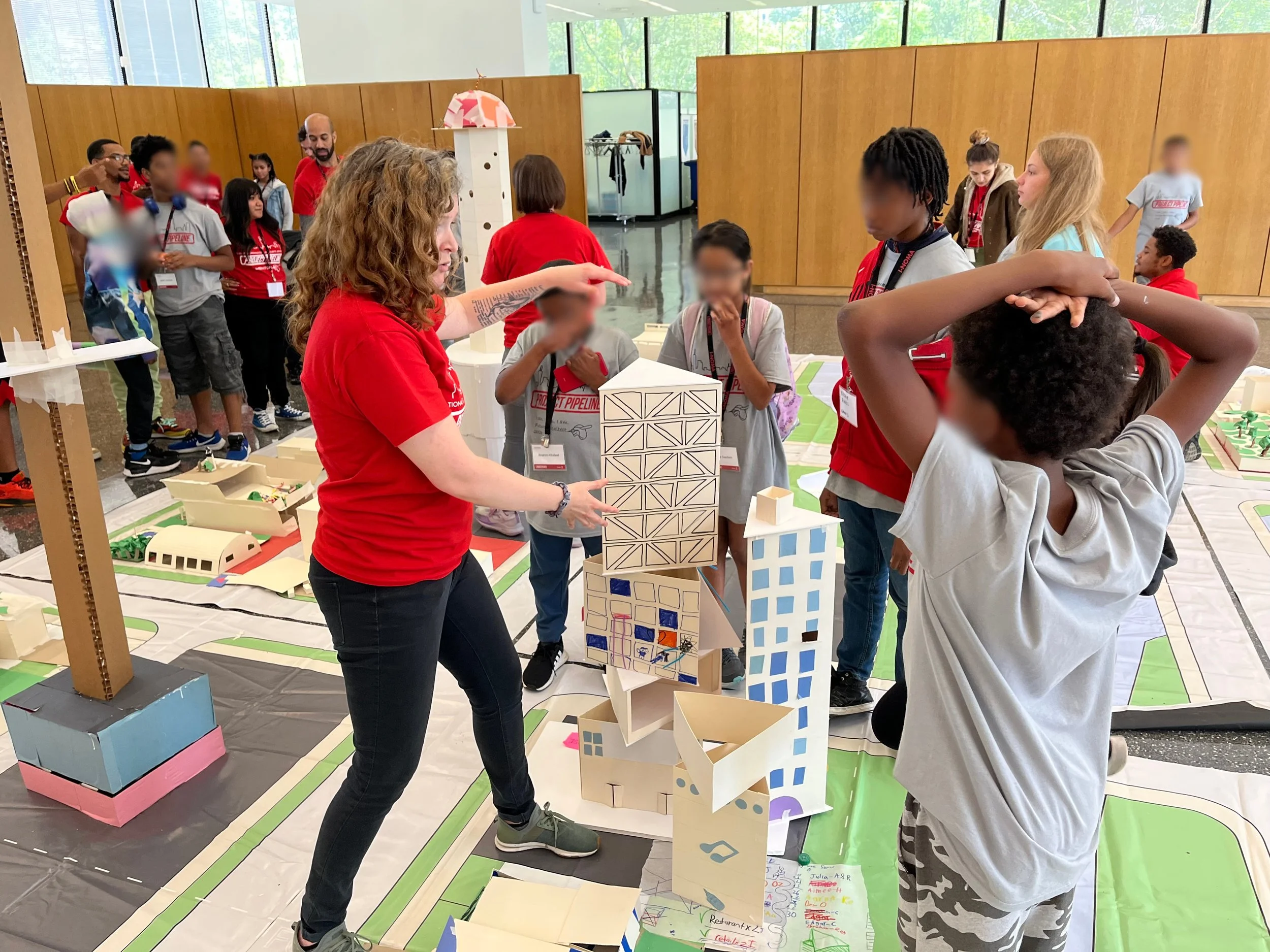
What does it take to create stronger communities? Insights from Obie’s Breakfast Club reinforced something we believe deeply: successful development depends on collaboration across disciplines.
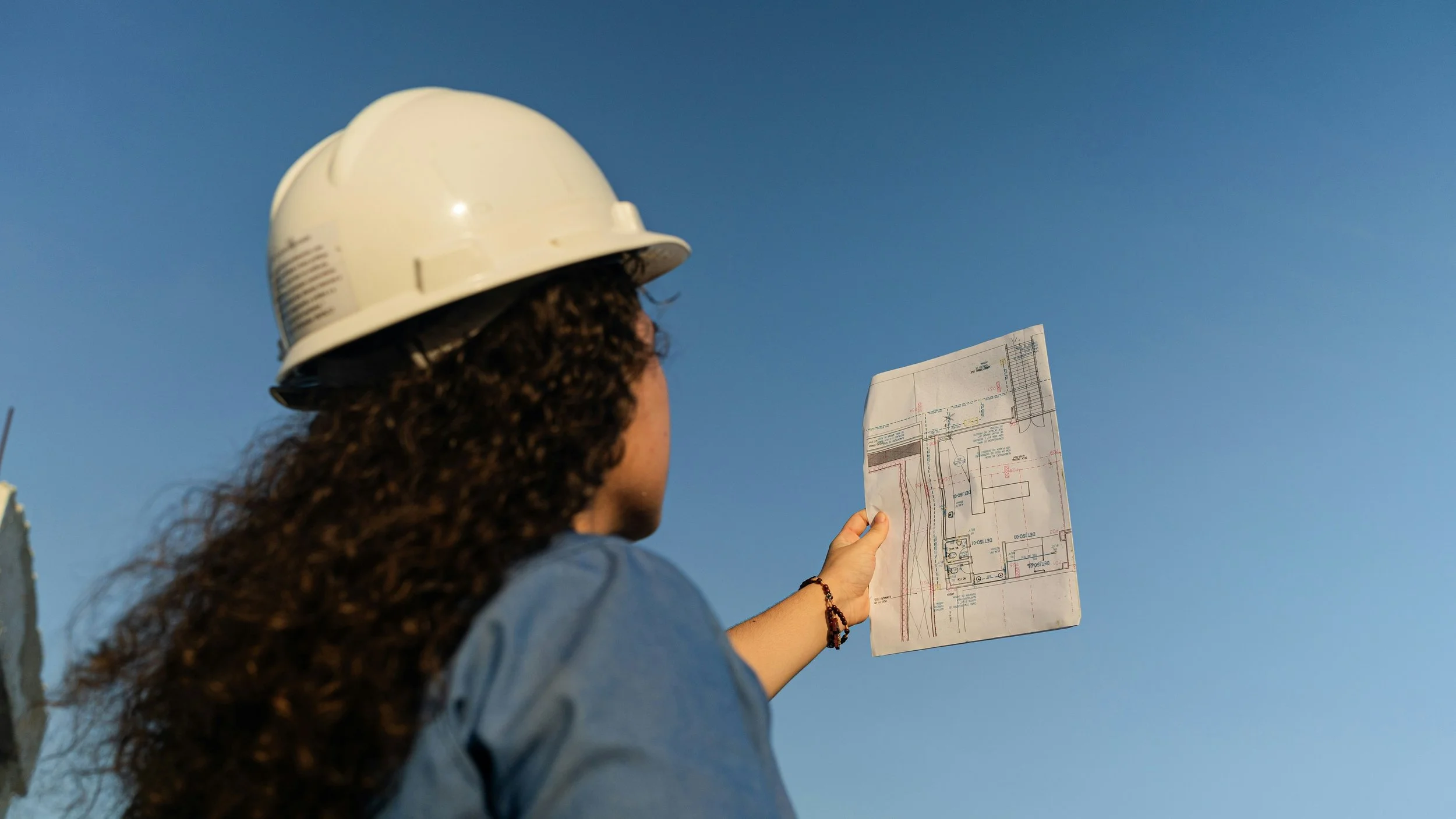
What Is a Feasibility Study? A Guide to Making Better Development Decisions
A project can work beautifully on paper and still run into problems on the site. A feasibility study looks at the conditions, zoning, infrastructure, budget, and other constraints that can determine whether a project makes sense before design gets too far.
Three Ways We Put the Community Back in Community Housing
A home doesn't exist in isolation. Where people live affects their access to jobs, schools, transportation, support systems, and the places that make a neighborhood feel like home. Good community housing starts by understanding those connections.
Three Ways We Set Clients Up for Success
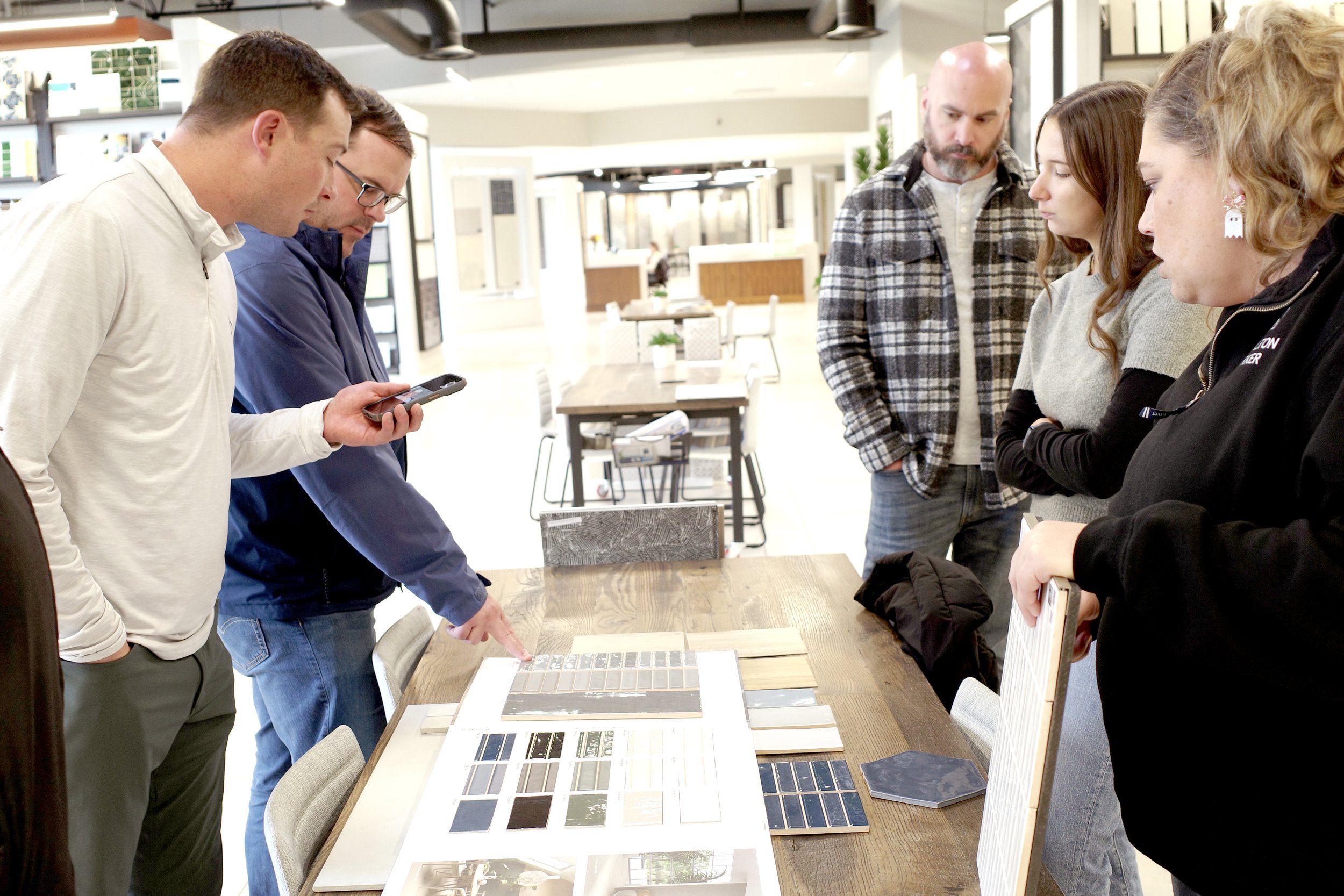
A good project experience starts long before design is finished. Clear communication, honest conversations, and early feasibility work can make the difference between solving a problem early and discovering it after time and money have already been committed.
Designing Tomorrow: Why Flexible Educational Spaces Matter
A classroom may need to support a lecture in the morning, small-group work in the afternoon, and something entirely different a few years from now. Designing for education means creating spaces that can change along with the people using them.
Italy Through an Architect’s Eyes
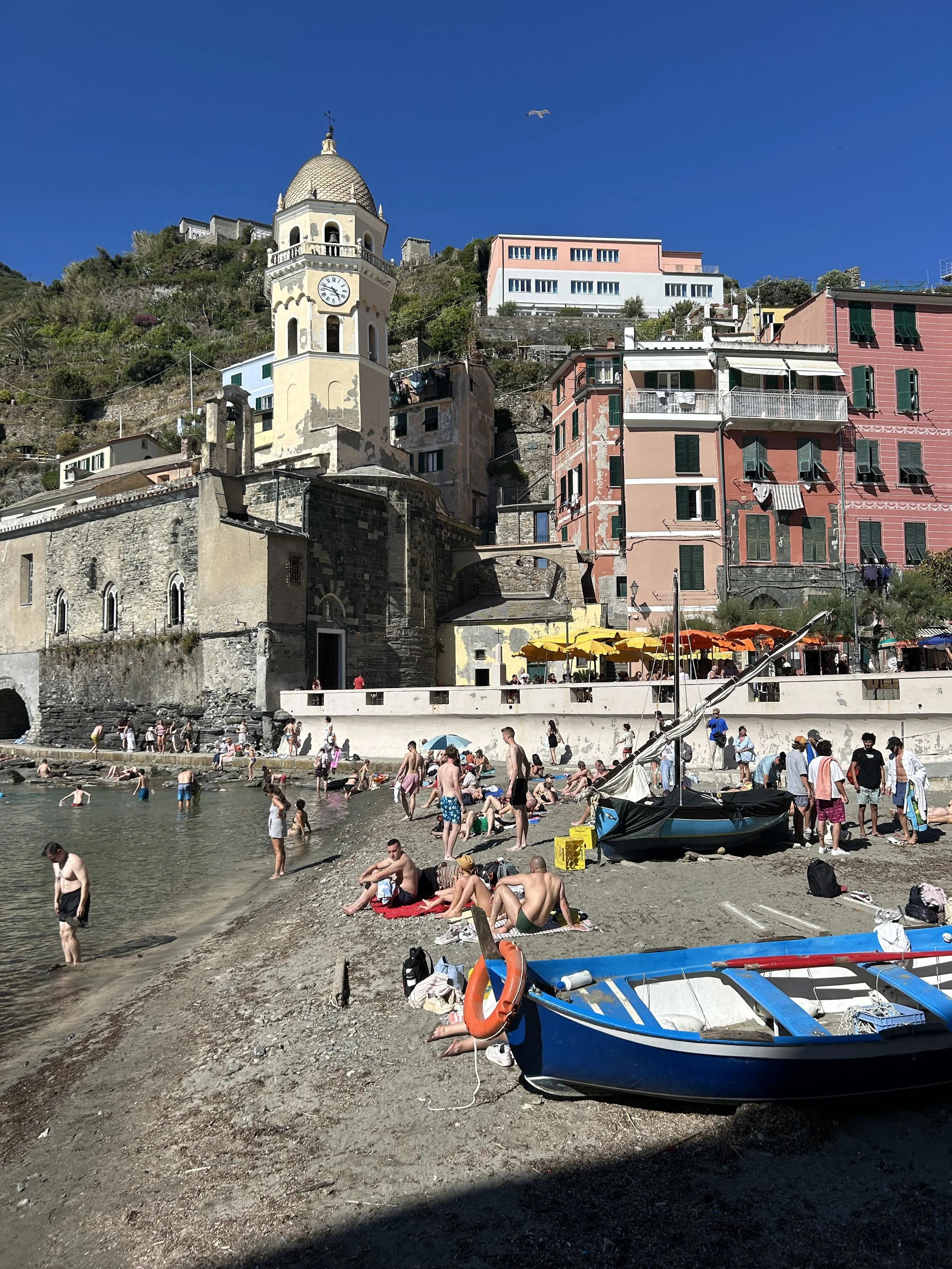
Travel has a way of making you notice things differently. On a recent trip through Milan, Florence, and Cinque Terre, Elizabeth found inspiration in the details architects tend to see: how a building handles water, how materials shape a city, and how architecture responds to the land around it.